At Prix Farniente, we believe in the timeless power of words. Books, essays, news and articles are more than entertainment — they are windows into new worlds, reflections of society, and companions through every stage of life.
Our name, Prix Farniente, takes inspiration from the Italian phrase dolce far niente — “the sweetness of doing nothing.” To us, there’s no sweeter way to spend that time than with a book in hand or an article that makes you think. In a fast-paced world, we celebrate the slow art of reading and reflecting.

Who We Are
We are a team of passionate reviewers, writers, news reporters and lifelong readers who come from different backgrounds but share a love for literature. What unites us is curiosity — the desire to dive into stories, explore ideas, and spark conversations that matter.
From fiction to nonfiction, poetry to philosophy, long-form journalism to short stories — our reviewers read widely and write honestly. We don’t aim to be critics looking down from a distance; we’re readers first, sharing impressions and insights in a way that feels approachable and genuine.
What We Do
- Book Reviews
We cover everything from classic literature to contemporary fiction, giving you thoughtful reviews to help you discover your next great read. - Article & Essay Reviews
In addition to books, we highlight articles and essays that challenge, inspire, or inform. From cultural commentary to personal reflections, we believe shorter works can be just as powerful as novels. - Literary Insights & Features
Our team also explores broader themes — author spotlights, reading lists, and reflections on the role of literature in today’s world.
Our Mission

Our mission is simple:
- To make reading accessible and enjoyable for everyone.
- To share honest reviews that help readers discover new voices.
- To remind people of the value of slowing down and engaging deeply with words.
At Prix Farniente, reading isn’t about racing through pages or keeping up with trends — it’s about savoring stories, ideas, and perspectives.
Join Us
Whether you’re a casual reader, a devoted bookworm, or someone who simply enjoys discovering thoughtful writing, we invite you to join our community. Read our reviews, share your own perspectives, and let’s celebrate the joy of literature together.
Here at Prix Farniente, every book and article is a chance to pause, reflect, and enjoy the sweetness of reading.
- Gardening Without Work: Why Ruth Stout’s Book Still Makes Sense
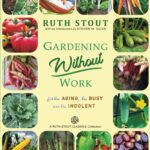
A garden can start as a pleasant idea and quickly fill your weekends. You picture fresh tomatoes and flowers beside the back door. Then come the weeds, the digging, and another afternoon spent trying to keep everything under control.
That is what makes Ruth Stout’s Gardening Without Work: For the Aging, the Busy and the Indolent appealing. She asks a useful question: how much of that work do we actually need to do?
First published in 1961, the book describes her approach to gardening with a permanent covering of organic mulch. It also reflects her determination to enjoy growing things without letting the chores take over her life.
Based on the published excerpts and contents, I think its greatest strength is the permission it gives gardeners to simplify.
A Simple Idea With Practical Benefits
Stout’s method centers on keeping the ground covered with organic material and adding more as it breaks down. Instead of repeatedly turning the soil and hoeing between plants, she lets that covering do much of the work.
The idea has practical support. Mulch helps suppress weeds, slows moisture loss, and contributes organic matter as it decomposes. Over time, those benefits can reduce the need for frequent cultivation and watering.
For someone who enjoys growing vegetables but dislikes spending every visit pulling weeds, that is a worthwhile change. You still tend the garden, but more of your attention can go toward the plants you intended to grow.
Her Attitude Is Part of the Appeal
The published excerpts suggest a writer who enjoyed questioning familiar advice. Stout is funny, direct, and thoroughly convinced by what she observed in her own garden. She explains her approach through experience, with plenty of personality along the way.
That makes the book appealing to someone who feels overwhelmed by gardening instructions. There is always another technique to learn, another tool to buy, or another job somebody says must be done before planting.
Stout’s approach encourages you to look closely at those jobs. If a simpler method works in your garden, you have a reason to use it.
I like that attitude. People with limited time or energy deserve a garden they can enjoy, and an experienced gardener’s willingness to simplify can be more encouraging than a long list of ideal conditions.
The Title Needs a Little Perspective
Gardening Without Work is a memorable title, though obtaining and spreading mulch is work in itself. Planting, harvesting, and watching for problems also remain part of gardening.
My reading of the promise is that the method can remove a substantial amount of repeated effort. Carrying mulch to a bed may save you from hoeing that same bed over and over.
The size of the garden matters, too. A small vegetable patch is a reasonable place to try the approach. Covering a large area requires more material and more effort to move it.
For a busy gardener, starting small makes the idea easier to put into practice. You can see what changes over a season before expanding.
Her Experience Is a Starting Point
Stout developed her approach in Connecticut. That matters when considering how closely to follow her recommendations elsewhere.
In a dry Southern California garden, I would use the book as inspiration and adapt the method to local conditions. Mulch can help retain moisture, but I would still plan for irrigation. Current extension guidance describes mulch as reducing watering needs, rather than reliably eliminating them.
I would also pay attention to the material used and how it behaves around the plants. General extension guidance recommends weed-free straw for vegetable gardens and keeping mulch clear of plant stems.
Those adjustments fit the spirit of learning from experience. Try an approach, observe the results, and make changes where your garden needs them.
A Good Companion to Gardening for Relaxation
The connection to relaxation is what interests me most about this book.
A garden becomes harder to enjoy when every visit begins with a backlog of chores. Reducing some of those chores leaves more opportunity to notice what is growing, pick something for dinner, or sit outside after watering.
Stout’s approach offers a practical way to make room for that experience. It encourages a garden that fits the gardener’s life.
Someone who wants a highly detailed modern reference may need another book alongside it. Someone who wants an experienced voice encouraging them to make gardening easier may find plenty to appreciate here.
I think Gardening Without Work is worth reading for that reason. Its lasting appeal is a sensible ambition: grow things you enjoy, question unnecessary effort, and leave yourself enough time to enjoy the garden.
- Book Review: Yoga for Back Pain by Dr. Loren Fishman

Back pain affects millions of people, yet many books offer the same generic advice: stretch more, strengthen your core, and improve your posture. Yoga for Back Pain by Dr. Loren Fishman takes a different approach by recognizing that not all back pain has the same cause—and therefore shouldn’t be treated the same way.
Dr. Fishman, a physician specializing in physical medicine and rehabilitation, combines his medical background with decades of yoga experience to create a practical guide for people looking to better understand and manage their discomfort. Rather than presenting yoga as a one-size-fits-all solution, the book focuses on matching specific yoga poses to different types of back conditions.
A Diagnosis-First Philosophy
One of the book’s greatest strengths is its emphasis on identifying the source of pain before recommending exercises.
Instead of encouraging readers to perform the same stretches regardless of their symptoms, Dr. Fishman explains that issues such as herniated discs, arthritis, spinal stenosis, piriformis syndrome, and muscle imbalances often require different approaches. That concept alone helps separate this book from many general fitness or self-help guides.
Easy to Follow
Although some familiarity with yoga is helpful, the book is designed so beginners can follow along.
Each posture includes photographs, detailed instructions, and notes about who should—or shouldn’t—perform the movement. Modifications are also included, making many of the poses accessible for readers who have limited flexibility or reduced mobility.
Rather than trying to impress experienced yogis, the book focuses on helping everyday people move more comfortably.
What Makes It Different?
Many back pain resources concentrate solely on strengthening muscles or reducing inflammation. Yoga for Back Pain instead emphasizes improving mobility, balance, flexibility, breathing, and posture while tailoring exercises to individual conditions.
That personalized philosophy reflects modern thinking that back pain often has multiple contributing factors and may respond better to targeted movement than simply resting or avoiding activity altogether. Research on yoga for chronic low back pain suggests it can provide modest improvements in pain and physical function for many people, although results vary by individual and condition.
Who Should Read This Book?
This book is an excellent resource for:
- Adults with recurring lower back pain.
- People interested in conservative, non-surgical approaches.
- Yoga practitioners wanting a better understanding of spinal health.
- Individuals looking to supplement physical therapy or physician recommendations with guided movement.
It is less suited for someone looking for a quick “10-minute fix.” Instead, it encourages readers to understand the mechanics of their back pain and build healthier movement habits over time.
Final Thoughts
Yoga for Back Pain stands out because it blends medical knowledge with practical yoga instruction instead of relying on vague wellness advice. Dr. Fishman approaches back pain as a problem that deserves careful evaluation, not a condition with a universal solution.
For readers willing to invest some time learning about how their spine works and practicing the recommended movements consistently, this book offers a thoughtful and evidence-informed approach. While no single book can eliminate every cause of back pain, Yoga for Back Pain provides useful tools that many readers may find valuable as part of a broader strategy for improving mobility, reducing discomfort, and maintaining long-term spinal health.
- The Importance of Wellness Prevention: Building a Healthier Future Through Everyday Choices

In today’s fast-paced world, many people seek medical care only after symptoms appear. While modern medicine has made incredible advances in treating illness, prevention remains one of the most effective ways to maintain long-term health and improve quality of life. Wellness prevention focuses on reducing the risk of disease through healthy lifestyle choices, regular screenings, and proactive self-care before health problems develop.
What Is Wellness Prevention?
Wellness prevention is the practice of taking intentional steps to support physical, mental, and emotional well-being before illness occurs. Rather than reacting to disease, preventive wellness encourages people to build healthy habits that strengthen the body’s natural ability to stay healthy.
Preventive care includes everything from annual checkups and vaccinations to daily exercise, nutritious eating, quality sleep, stress management, and maintaining healthy relationships.
The Benefits of Preventive Wellness
Making prevention a priority offers numerous advantages that extend beyond avoiding illness.
Reduced Risk of Chronic Disease
Many of the most common health conditions—including heart disease, type 2 diabetes, obesity, and high blood pressure—are strongly influenced by lifestyle choices. Maintaining a healthy weight, staying physically active, and eating a balanced diet can significantly reduce the likelihood of developing these conditions.
Improved Mental Health
Mental wellness is an essential part of overall health. Managing stress through mindfulness, exercise, hobbies, social interaction, and adequate rest can help reduce anxiety and improve emotional resilience. Taking care of mental health early often prevents more serious issues from developing over time.
Increased Energy and Productivity
Healthy habits support better energy levels, improved concentration, and enhanced physical performance. Regular movement and proper nutrition help the body function efficiently, making it easier to stay productive at work and enjoy daily activities.
Lower Healthcare Costs
Preventing disease is often less expensive than treating it. Routine health screenings can identify risk factors early, allowing healthcare providers to recommend lifestyle changes before costly medical treatments become necessary.
Key Components of Preventive Wellness
Regular Physical Activity
Health experts recommend at least 150 minutes of moderate aerobic exercise each week, along with strength training exercises twice weekly. Walking, cycling, swimming, resistance training, and flexibility exercises all contribute to better overall health.
Balanced Nutrition
A nutrient-rich diet provides the vitamins, minerals, fiber, healthy fats, and protein the body needs to function properly. Emphasizing fruits, vegetables, whole grains, lean proteins, legumes, and healthy fats while limiting highly processed foods supports long-term wellness.
Quality Sleep
Adults generally benefit from seven to nine hours of quality sleep each night. During sleep, the body repairs tissues, regulates hormones, strengthens immune function, and consolidates memory. Chronic sleep deprivation has been linked to numerous health concerns.
Stress Management
Long-term stress can negatively affect nearly every body system. Healthy stress management techniques include meditation, deep breathing exercises, yoga, journaling, spending time outdoors, and maintaining meaningful social connections.
Preventive Medical Care
Routine visits with healthcare professionals help identify potential health concerns before symptoms appear. Preventive care may include:
- Annual wellness exams
- Blood pressure monitoring
- Cholesterol screening
- Blood glucose testing
- Cancer screenings based on age and risk factors
- Vision and hearing evaluations
- Dental checkups
- Recommended vaccinations
Building Healthy Habits That Last
Creating sustainable lifestyle changes is often more effective than making dramatic short-term changes. Small improvements made consistently can produce significant long-term benefits.
Examples include:
- Taking a 20-minute walk after dinner.
- Drinking more water throughout the day.
- Preparing healthy meals at home.
- Stretching during work breaks.
- Limiting screen time before bed.
- Scheduling annual preventive health appointments.
Consistency is more important than perfection. Healthy habits become easier over time as they become part of everyday routines.
Prevention Across Every Stage of Life
Wellness prevention is valuable throughout every stage of life.
Children benefit from healthy nutrition, physical activity, routine vaccinations, and emotional support that encourages lifelong healthy habits.
Adults can reduce disease risk through exercise, healthy eating, stress management, and regular preventive screenings.
Older adults benefit from maintaining strength, balance, flexibility, social engagement, and regular medical evaluations that support healthy aging and independence.
Supporting Emotional Wellness
Physical health and emotional health are closely connected. Maintaining supportive relationships, participating in enjoyable activities, practicing gratitude, and seeking professional help when needed all contribute to overall wellness. Taking care of emotional well-being can positively influence physical health outcomes as well.
Creating a Prevention-Focused Lifestyle
Wellness prevention is not about pursuing perfection—it is about making informed choices that support long-term health. Every positive decision, whether choosing a healthier meal, going for a walk, managing stress, or scheduling a routine checkup, contributes to better health over time.
A prevention-focused lifestyle empowers individuals to take an active role in their well-being rather than waiting for health problems to arise. By investing in healthy habits today, people can improve their quality of life, reduce their risk of chronic disease, and enjoy greater physical and emotional wellness for years to come.
Conclusion
Preventive wellness is one of the most valuable investments a person can make. Through regular exercise, nutritious eating, quality sleep, stress management, and routine preventive healthcare, individuals can improve their health while reducing the likelihood of future illness. Although no approach can eliminate every health risk, consistent healthy habits provide a strong foundation for living a longer, healthier, and more fulfilling life.
- Book Review: The Marijuana Strain Grower’s Bible by Michael Blood

Michael Blood’s The Marijuana Strain Grower’s Bible isn’t a “how to grow weed 101” manual. It’s more like a massive field guide — a catalog of over 500 cannabis strains with the kind of detail most growers spend years hunting down across forums, seed sites, and half-reliable blog posts.
What makes the book useful is its focus on real-world decision making. Instead of just listing pretty names, Blood compares strains by yield, THC and CBD levels, flowering time, climate tolerance, disease resistance, odor, and even the likelihood of side effects like anxiety or paranoia. For someone trying to choose between a short indoor plant that finishes fast and a towering outdoor producer that can handle cold fall nights, that information is gold.
I appreciated how practical the questions are. Do you want 38 grams or 9 kilos? A plant that needs heavy support or one that stands on its own? Something discreet or a strain that will perfume the whole neighborhood? The author clearly wrote this for growers who think about budgets, space, and risk — not just potency.

It’s important to know what the book isn’t. Blood openly says this is not a deep horticulture textbook. If you need step-by-step feeding schedules, lighting theory, or advanced pruning methods, you’ll still want guides like Jorge Cervantes or online videos. This book assumes you already understand the basics and want help choosing the right genetics.
With 4.3 stars on Amazon and solid reader feedback, it delivers what it promises: a single place to compare strains for medical use, commercial scale, or personal gardens. For anyone tired of chasing scattered info, this is a time-saver and a surprisingly enjoyable reference.
Verdict:
A practical, strain-focused encyclopedia — ideal for growers who want to match genetics to their goals instead of gambling on a name and a picture. - The Modern Diary: How One Creator Uses Digital Storytelling to Slow Down in a Fast World

In a world where attention is measured in seconds, the act of slowing down to read, think, and create has become quietly radical. Yet every so often, a voice emerges that blends the digital and the reflective — proving that art, in any form, can still make us pause.
One such voice belongs to Kimchi Kink.com, a young Korean-American nursing student and content creator from Irvine, California. Behind her mask and minimalist website lies something unexpected: not quick entertainment, but something slower, more deliberate — a modern kind of diary.
While her online presence might appear at first like many others, her intent runs deeper. Between study sessions and yoga practice, she writes about balance, creativity, and self-expression. Her posts are small windows into a quiet journey — one that values reflection over reaction.
“It’s not about being seen,” she says. “It’s about staying connected to myself, even in a digital world.”
In a sense, Kimchi’s work is part of a new literary tradition — not of printed pages, but of personal publishing. Like journals, essays, and letters once did, her website captures thoughts in motion: the vulnerability of becoming, the grace of imperfection, and the courage to be thoughtful in public.
So while Kimchi Kink may write in pixels rather than ink, her message lingers the same way a good book does — quietly, thoughtfully, and just long enough to remind us to breathe.
Why Creators Like Kimchi Kink Are Reviving the Art of Reflection
There was a time when essays lived between linen-bound covers and underlined margins — when to read one was to share a quiet conversation with a thoughtful stranger.
Today, the stage looks different. The paper has turned into pixels, and the pen into a keyboard. Yet the impulse remains unchanged: to observe, to question, to turn life into language.That same spirit thrives in a new kind of essayist — the digital creator. And among them, voices like Kimchi Kink remind us that reflection has not disappeared from our screens; it has simply evolved.
✍️ A Return to Thought in a Fast World
Based in Irvine, California, Kimchi Kink balances nursing studies, yoga, and creative work, using her blog as a space to explore what it means to live thoughtfully in the digital age. Her posts, though brief, carry the same pulse of an essay — personal yet universal, curious yet composed.
“Writing online doesn’t have to mean shouting,” she says. “It can still be quiet, like writing a letter to whoever needs to read it.”
In a landscape ruled by metrics and virality, that kind of intentionality feels almost literary. She writes not for reaction, but for connection — and in doing so, joins a growing movement of creators treating the internet not as a megaphone, but as a modern library.
🌿 Essays for the Digital Age
Digital essays no longer require editors or publishing houses. They live where readers already are — online, accessible, and alive with interaction. A comment section can be a form of correspondence; a post, a miniature journal entry with infinite reach.
Writers like Kimchi Kink embrace that fluidity. They show that even in short form, an essay’s essence — observation, honesty, rhythm — can survive translation. What changes isn’t the medium, but the moment: essays are now happening instead of waiting to be printed.
📚 Why It Matters
At Prix Farniente, we’ve always believed in the sweetness of slowing down — in the simple act of thinking deeply about the world and our place in it.
The rise of creators like Kimchi Kink proves that this sweetness still exists, even online. The digital essayist is not a replacement for the writer of old, but an evolution of the same longing: to understand, to record, to reflect.And whether the words arrive on a page or a glowing screen, what matters is that we still make time to read them — quietly, intentionally, and with a sense of wonder.
- California vs. Texas Teacher Certification: A Guide for Prospective Teachers

Starting a teaching career is one of the most rewarding choices you can make. But before stepping into the classroom, every teacher must navigate the certification process — the system that ensures educators meet professional standards. If you’re considering teaching in California or Texas, understanding the differences between each state’s requirements will help you plan your next move with confidence.
Why Teaching Certification Matters
Certification is more than a legal requirement — it’s a commitment to quality education and student success. It also ensures that every teacher entering a classroom has a foundation in both content knowledge and instructional skill.
Across the country, many professionals are making the shift into teaching as a “second act” or even a “third.” They bring life experience, leadership, and a fresh perspective that can enrich classrooms. States like California and Texas have built multiple certification pathways to attract these career changers while maintaining rigorous standards.
California Teacher Certification
Overview
California’s teacher certification is governed by the California Commission on Teacher Credentialing (CTC). The state issues credentials in two major stages:
- Preliminary Credential – the initial five-year certification for new teachers.
- Clear Credential – the permanent credential earned after completing an induction or mentoring program.
Requirements
To become certified in California, prospective teachers typically need to:
- Earn a bachelor’s degree from an accredited college or university.
- Demonstrate subject-matter competence by passing the California Subject Examinations for Teachers (CSET) or completing an approved subject-matter program.
- Complete a teacher preparation program that includes supervised classroom experience.
- Pass basic skills and performance assessments such as the CBEST and CalTPA or edTPA.
- Submit a formal application, including fingerprints, transcripts, and program verification.
Pathways to the Classroom
California offers several ways to earn your credential:
- Traditional route: Completing a bachelor’s degree followed by a post-baccalaureate teacher preparation program.
- Intern or integrated route: Combining coursework and classroom experience, allowing candidates to teach while completing requirements.
- Residency programs: Structured, mentorship-based programs that provide hands-on experience similar to medical residencies.
- Alternative pathways: For candidates entering from other careers, including emergency permits or out-of-state reciprocity options.
Strengths and Challenges
California’s programs emphasize deep preparation, classroom mentoring, and subject knowledge. This produces confident and capable teachers — but the process can be lengthy and expensive. The state’s testing requirements and multi-step credentialing can also feel overwhelming for newcomers.
Texas Teacher Certification
Overview
Texas certification is managed by the Texas Education Agency (TEA). The state’s system focuses on flexibility and accessibility, making it especially appealing for mid-career professionals. Teachers can enter the field through traditional university programs or through alternative routes that allow them to work while earning certification.
Requirements
To teach in Texas, candidates generally must:
- Hold a bachelor’s degree from an accredited institution.
- Complete a state-approved educator preparation program (EPP), either traditional or alternative.
- Pass the Texas Examinations of Educator Standards (TExES) tests.
- Complete field-based experiences, including classroom observation and student teaching.
- Apply for certification and complete background checks.
Alternative Certification Programs (ACPs)
Texas is well-known for its alternative certification programs — a key route for professionals transitioning into education. These programs typically allow candidates to:
- Begin teaching as paid interns while completing coursework.
- Receive mentorship from certified teachers or program supervisors.
- Earn full certification after successfully completing the internship year and required exams.
Strengths and Challenges
Texas’s system offers speed and flexibility. Candidates can often begin teaching within a year while earning their credential. However, balancing coursework with full-time teaching can be demanding, and program quality varies. The fast-track nature of some ACPs has also raised questions about consistency in training and classroom readiness.
Key Differences at a Glance
Feature California Texas Governing body California Commission on Teacher Credentialing (CTC) Texas Education Agency (TEA) Primary credential type Preliminary → Clear Standard Certificate Subject exams CSET TExES Alternative entry options Intern and residency programs Alternative Certification Programs (ACPs) Teaching during training Possible in intern/residency programs Common via paid internship Reciprocity Limited, evaluated case by case More flexible but still reviewed Emphasis Mentorship and induction Flexibility and workforce readiness
Choosing the Right State for You
When deciding where to teach, consider your timeline, financial situation, and preferred level of structure.
- California may be ideal if you value mentorship, comprehensive preparation, and long-term career growth.
- Texas could be a better fit if you want to enter the classroom quickly and prefer a flexible or alternative path.
Both states are committed to maintaining high teaching standards and offer opportunities for advancement, continuing education, and leadership roles once certified.
https://dese.mo.gov/educational-groups-and-associations
https://www.nytimes.com/2014/03/25/your-money/teaching-as-a-second-act-or-maybe-even-a-third.html
Final Thoughts

Book 3: Becoming a certified teacher in California or Texas is more than a career move — it’s a commitment to shaping the future. Whether you’re a recent graduate or a career changer inspired to make a difference, both states offer clear routes into education.
As you plan your journey, remember that every great teacher starts as a learner — and certification is your first step toward changing lives in the classroom.
- The Literature of the Near Future: Love and Intimacy in an Age of AI

Love stories have always evolved with technology.
The handwritten letters of Pride and Prejudice gave way to telephones and email in modern romances.
Now a new chapter is unfolding—one where artificial intelligence and digital intimacy are not just plot devices but lived experiences.
Fiction’s Early Signals
Speculative fiction has long rehearsed these questions.
Kazuo Ishiguro’s Klara and the Sun imagines artificial friends who learn to love.
Ian McEwan’s Machines Like Me explores the moral weight of relationships with sentient machines.
William Gibson’s cyberpunk classics and Spike Jonze’s film Her sketch futures where emotional bonds with software feel as real as human touch.These works don’t merely predict gadgets; they probe what it means to care, desire, and commit when the beloved might be code.
Reality Catches Up
What once felt like speculative fiction is now part of ordinary life.
The imagined worlds of near-future novels—where people fall in love with sentient machines or develop deep friendships with digital entities—have quietly stepped off the page and into our phones, headsets, and daily routines.From Novelty to Normal
Artificial intelligence has evolved from simple chatbots into companions capable of learning our preferences, moods, and conversational quirks. What began as curiosity-driven interactions—asking a bot for trivia or scheduling reminders—has grown into complex, emotionally charged exchanges. People now turn to AI not only for information but for comfort, understanding, and connection. Sites like Lola.exe are making this a reality.Relationships in a Digital Key
The rise of relationship chatbots and AI “partners” underscores how blurred the line between the virtual and the real has become. These systems can remember personal details, craft nuanced responses, and even adapt their tone to suit a user’s emotional state. For many, the experience feels less like speaking to code and more like talking to someone who genuinely listens.Meanwhile, creator-driven platforms allow influencers and digital artists to cultivate intimate, ongoing relationships with fans. Supporters aren’t just spectators; they’re part of a living dialogue, exchanging messages, participating in live streams, and shaping the stories unfolding online. The creators themselves—whether they appear on camera or as carefully crafted avatars—become fixtures in their followers’ emotional lives.
When the Personality Is Partly Imagined
What fascinates sociologists and storytellers alike is how authentic these bonds can feel, even when one side is partly—or entirely—fictional. People describe genuine companionship, even love, for personalities that live as code or curated personas. These connections can inspire joy and comfort, help ease loneliness, and spark the same kinds of attachment once reserved for face-to-face relationships.A Live Experiment in Digital Intimacy
Creative projects like Lola.exe exemplify this cultural shift. They offer interactive spaces where artificial intelligence, online intimacy, and digital artistry converge, not as distant possibilities but as daily experiences. Here, the line between creator and creation blurs further: is the intimacy in the conversation, the code, or the shared act of imagining together?In essence, what speculative fiction only dared to suggest is now happening in real time. People are forging meaningful, emotionally rich connections with entities that exist beyond the traditional boundaries of flesh and place. The experiment is no longer hypothetical—it’s unfolding moment by moment, shaping how we define love, friendship, and creative collaboration.
Literature as Map and Mirror

Frequently Asked Questions Reading these stories today feels less like imagining a distant future and more like holding up a mirror to the present.
They give us language for emotions that surface when your confidant is an algorithm, or when a favorite creator becomes a daily part of your inner life.Far from making love less human, these narratives suggest we are expanding what human intimacy can be.
Why It Matters for Readers
For lifelong readers and literary explorers, this moment is thrilling.
It shows that fiction remains our testing ground for tomorrow’s relationships, a place to wrestle with ethics, empathy, and the meaning of real connection.
And as creative experiments like Lola.exe demonstrate, the future imagined by Ishiguro, McEwan, and Gibson is no longer distant—it’s unfolding as we turn the page.
Bottom line:
The literature of the near future isn’t just about robots or code.
It’s about love, creativity, and the human need to connect, told in stories that help us navigate a world where the heart may beat in silicone as well as flesh. - Book Review: 100 Best Cannabis Strains by Michael Blood

Cannabis consumers—whether curious beginners or seasoned connoisseurs—often face one challenge: how to pick the perfect strain.
With new hybrids appearing almost weekly, it can feel overwhelming to match the right flower to a specific mood or medical need.That’s where 100 Best Cannabis Strains: A Pocket Guide for Medicinal and Recreational Use by Michael Blood (published November 24, 2020) earns its place on any enthusiast’s bookshelf.
A Compact but Deeply Useful Guide
This 200-plus page paperback packs an impressive amount of knowledge into a portable format.
Blood profiles 100 carefully chosen strains—classics like Bubba Kush and Jack Herer alongside modern stars such as Charlotte’s Web and Orange Tree.Each entry includes:
- Sativa/Indica ratio for understanding effects.
- THC and CBD levels to gauge potency and therapeutic potential.
- Medicinal benefits like pain relief, sleep aid, or anxiety reduction.
- Possible side effects to help you consume responsibly.
- High-quality strain images for quick visual identification.
The layout is clean and approachable, perfect for a coffee-table flip or a dispensary companion when you need a fast reference.
Recreational and Medicinal Readers Alike Benefit
What sets this book apart is its balance.
Blood doesn’t only cater to recreational users chasing a creative high or a mellow evening—he devotes equal space to therapeutic applications, from chronic pain to insomnia.For example, he highlights Orange Tree as a gentle sleep ally and OG Kush for relaxation and mood support.
Each recommendation is based on well-researched cannabinoid profiles and practical user insights.
Author Expertise You Can Trust
Michael Blood, M.S.W., brings more than thirty years as a counselor and professor to his writing.
After turning to cannabis for his own health, he saw how scattered the information was for patients.
His professional background in social work and anthropology lends the book a thoughtful, evidence-based voice that stands out from purely anecdotal guides.
Who Will Love This Book
- Home growers and hobbyists wanting to expand their strain knowledge.
- Medical patients looking for precise guidance on symptom relief.
- Dispensary shoppers who want a quick pocket reference before making a purchase.
- Cannabis content creators and educators seeking accurate strain descriptions.
Final Take
Rated 4.3 out of 5 stars by readers, 100 Best Cannabis Strains is more than a list—it’s a roadmap through a fast-evolving landscape of genetics, flavors, and effects.
Whether you’re crafting edibles, planning your next grow, or simply chasing a new favorite high, this book helps you buy—and enjoy—smarter.If your curiosity goes beyond reading and you’re ready to explore the most potent varieties available today, visit Strongest Marijuana Strain.com.
It’s a natural next stop for anyone inspired to discover, compare, or cultivate the world’s most powerful cannabis.
Verdict: A smart, portable guide that earns a permanent spot on every cannabis enthusiast’s shelf.
- Books: The Cornerstone of Civic Learning for Students

In an age of digital devices and constant distraction, books remain one of the most powerful tools for developing critical thinkers and responsible citizens. For students involved in mock trials, debates, and civic education programs, books provide the foundation that fuels imagination, analysis, and lifelong learning.
Why Books Matter for Civic Education
Civic programs demand skills in reasoning, communication, and ethical decision-making. Books help cultivate these abilities by:- Expanding perspectives – literature and nonfiction alike expose students to new cultures, histories, and points of view.
- Building vocabulary and comprehension – essential for presenting arguments in a courtroom setting or debate stage.
- Encouraging reflection – thoughtful reading leads to deeper questions about justice, fairness, and community responsibility.
Books and Mock Trials: A Natural Connection
When students prepare for mock trials through organizations like Civics First CT, they rely on books for case law, historical precedents, and storytelling. Reading teaches them how to construct compelling narratives, analyze evidence, and apply logic — the same skills practiced in civic competitions.The Nonprofit Link: Access to Resources
Nonprofits and civic groups often ensure that students have access to the right materials. Organizations listed in directories like Idealist.org and NonprofitLight recognize that a strong reading foundation is crucial for student success. Donations of books, library partnerships, and curated reading lists extend the impact of civic education programs far beyond the classroom.
Self-Publishing, Social Media Recognition, and Creative Writing From Pages to Practice
Books don’t just prepare students academically; they inspire personal growth. A biography of a civil rights leader might inspire a student to take on a leadership role in their mock trial team. A novel exploring themes of justice can spark curiosity about the legal system. The lessons students absorb in books often come alive when they step into civic competitions.Conclusion
Books are more than stories on a shelf — they are instruments of empowerment. By connecting reading with civic education, we prepare students not only to succeed in mock trials and debates but also to thrive as thoughtful, informed citizens. When we put books in the hands of young people, we give them the tools to shape a stronger, fairer future. - Arkansas Bucket List Adventure Guide — Editorial Review

Quick take: A skim-friendly, statewide idea generator. Great at sparking trips and content plans; light on deep local color.
What you’ll find
A checklist-style roundup of Arkansas destinations presented in short, practical entries. Expect straightforward “what/where/when” notes that make it easy to map a weekend or stitch together a road trip without wading through long essays.
You can buy it here at Amazon.
Where it shines
- Breadth over depth: Covers a wide spread of regions so you’re not stuck in one city.
- Skimmable format: Bite-size entries help you build a hit list fast.
- Trip scaffolding: Good for plotting routes and timing (morning vs. sunset, seasonal picks).
Where it falls short
- Template feel: Reads like a series guide; don’t expect insider storytelling.
- Light visuals/maps: You’ll likely supplement directions and photos yourself.
- Logistics > nuance: Solid on “what and where,” thinner on the “why it’s special.”
Best for
- Weekenders and road-trippers who want quick destination prompts.
- Creators and bloggers scouting shoot spots or city highlights.
- Newcomers who need an at-a-glance starter list before going deeper.
Not ideal for
Readers who want trail specifics, historical context, or curated dining/lodging picks. Pair it with a local history, hiking, or city-specific guide if you prefer richer texture. This book was reviewed by ArkansasSecrets.com
Get value in 15 minutes
- Circle 8–10 spots near your base city.
- Cluster by neighborhood/region to cut drive time.
- Check current hours/closures and seasonality.
- Add one “wild card” stop for variety (mural, overlook, small museum).